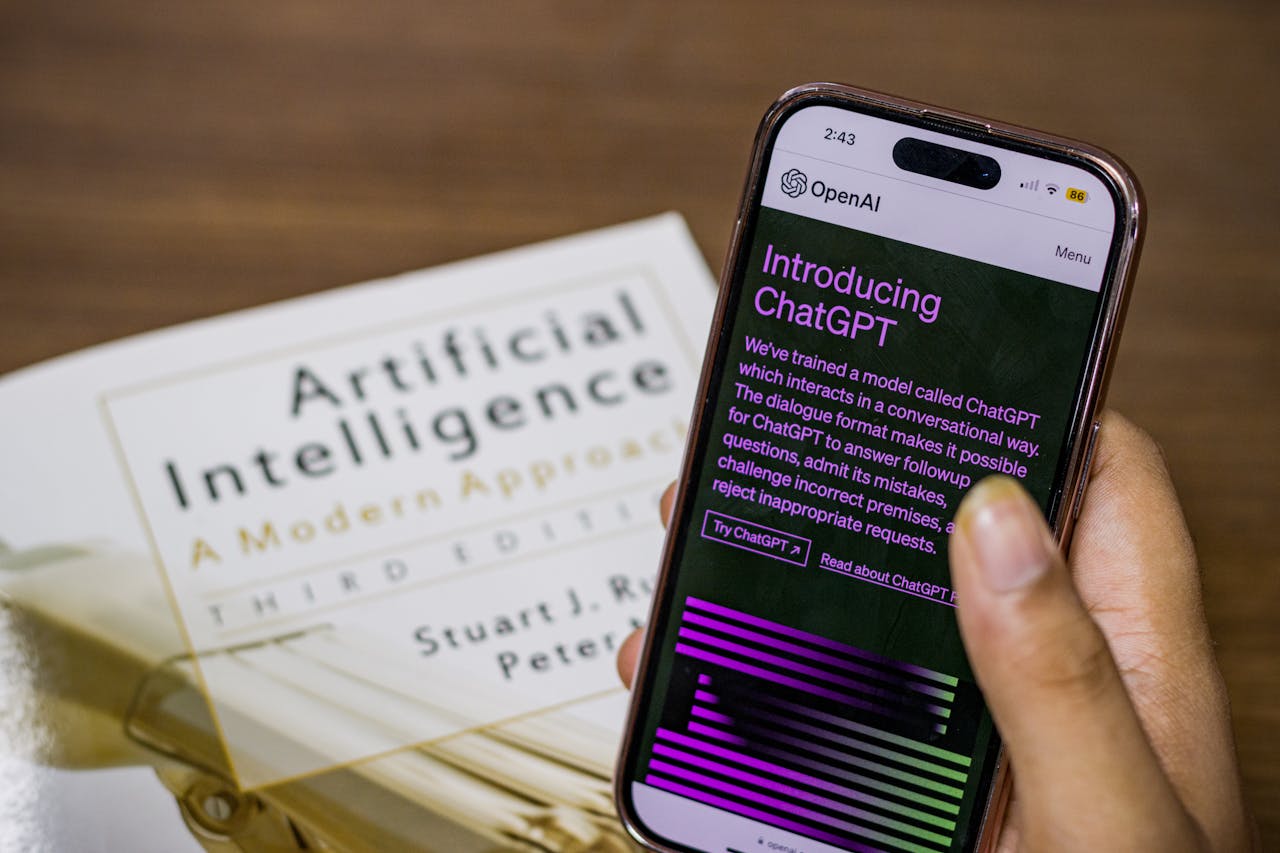
Artificial intelligence is now a key part of modern healthcare. In 2026, clinics and hospitals are using AI to improve patient care, reduce workload, and speed up everyday tasks. What started as small pilot projects is now becoming more common across both private clinics and large hospitals.
Recent data shows that around 66% of doctors are now using AI tools, a sharp rise from 38% just a few years ago. At the same time, about 38% of hospitals have adopted some form of AI, showing how quickly the technology is spreading.
Common reasons to use AI for doctors and hospitals includes:
-Appointment setting
-Taking notes and writing reports
-Showing previews for cosmetic work
-Supporting diagnosis and medical decisions
Doctors Are Using AI For Smarter Bookings and Appointment Setting
One of the most common uses of AI is in bookings and appointment management. Clinics are using AI systems to handle patient scheduling, reducing the need for phone calls and manual admin work.
Patients can now book appointments online or through chat systems that understand simple language. These tools can suggest available times, send reminders, and even reschedule automatically if needed.
This helps reduce missed appointments. Some studies suggest that AI-driven scheduling systems can cut no-shows by improving communication and reminders. It also frees up staff to focus on patients instead of admin tasks.
Clinics are also using AI voice agents to take and amend appointments as discussed in our recent interview with Dan Park of InTouchNow.
Doctors Are Using AI For Writing Reports and Sending Patient Updates
AI is also transforming how doctors write and manage patient records. Instead of typing everything manually, many clinicians now use voice tools to dictate notes during or after appointments.
The AI listens, organises the information, and creates structured reports. These can then be reviewed quickly by the doctor and sent directly to patients.
This is saving a huge amount of time. In fact, AI-generated medical reports have been shown to reach over 87% accuracy, compared to around 72% for traditional reports in some studies.
This means faster communication, fewer errors, and more time for doctors to focus on care rather than paperwork.
AI in Dentistry and Cosmetic Previews
Dentistry is another area where AI is making a visible difference. Clinics and are dental practices like Chase Lodge are now using AI tools to show patients what their smile could look like after treatment.
For example, in cosmetic dentistry, AI can generate realistic previews of teeth whitening, veneers, or orthodontic changes. Patients can see before-and-after images before starting treatment.
This helps people make decisions with more confidence. It also improves communication between dentists and patients, as expectations are clearer from the start.
Supporting Diagnosis and Medical Decisions
AI is increasingly used to support doctors in diagnosing conditions. It can analyse scans, test results, and patient data much faster than humans alone.
In areas like radiology, AI tools act as a second pair of eyes. They can highlight potential problems, helping doctors spot issues earlier.
While AI is not replacing doctors, it is helping them make better decisions. Studies show that AI can match or sometimes exceed non-expert human performance in certain diagnostic tasks.
Reducing Admin Work and Burnout
A major benefit of AI is reducing the workload on healthcare staff. Many hospitals are using AI to handle tasks like billing, coding, and paperwork.
This is important because staff burnout has been a growing problem. AI tools can automate repetitive tasks, allowing doctors and nurses to spend more time with patients.
Reports show that administrative AI is one of the fastest-growing areas, with adoption reaching 50–60% in leading healthcare organisations.
Improving Patient Communication
AI is also helping clinics stay connected with patients. Chatbots and messaging systems can answer common questions, provide instructions, and offer follow-up care guidance.
Patients can get answers quickly without waiting for a call back. This is especially useful for simple queries like medication instructions or appointment details.
AI can also personalise communication, sending reminders or health tips based on a patient’s history.
Remote Monitoring and Early Detection
Another growing use of AI is in monitoring patients remotely. Devices and apps can track health data such as heart rate, sleep, or activity levels.
AI then analyses this data and alerts doctors if something looks unusual. This can help catch problems early, before they become serious.
In some cases, AI systems have shown very low error rates, missing only a small percentage of cases compared to human analysis.
Challenges and the Road Ahead
While AI is growing quickly, it is not perfect. There are still concerns about accuracy, data privacy, and over-reliance on technology.
Experts also warn that not all systems are fully tested, and proper regulation is still developing.
However, the direction is clear. AI is becoming a normal part of healthcare, helping clinics and hospitals work faster, smarter, and more efficiently.
A New Era of Healthcare
In 2026, AI is no longer just an idea. It is a working tool used every day in clinics and hospitals around the world.
From booking appointments to writing reports, from dental previews to diagnosis support, AI is improving both the patient experience and the working lives of healthcare staff.
As adoption continues to grow, AI is set to play an even bigger role in shaping the future of healthcare.