
Working at a desk is associated with neck pain because long periods of sitting, combined with poor posture and limited movement, place ongoing strain on the muscles and joints of the neck. Over time, this strain can lead to discomfort, stiffness and persistent pain.
As desk-based and technology-driven roles continue to grow, neck pain has become one of the most common physical complaints among professionals. While often dismissed as a minor issue, it can have a real impact on wellbeing, concentration and productivity.
How Common Is Neck Pain in Desk-Based Jobs?
Neck pain is very common among people who work at a desk, with studies consistently showing high rates among office and computer-based workers. Research suggests that between 40% and 60% of desk workers experience neck pain each year, making it one of the most frequent work-related musculoskeletal problems.
In the UK, neck and upper back pain are regularly reported alongside lower back pain as leading causes of discomfort in sedentary roles. The risk increases with longer working hours, limited breaks and poorly set-up workstations.
These figures reflect how widespread the issue has become in modern working environments.
Why Does Desk Work Put Strain on the Neck?
Desk work puts strain on the neck because the head is often held forward for long periods while looking at screens. Even a small forward tilt increases the load on the neck muscles, forcing them to work harder to support the weight of the head.
This strain is often combined with rounded shoulders, slouched sitting and limited movement throughout the day. Over time, the muscles, joints and soft tissues of the neck and upper spine can become fatigued and irritated.
Stress and concentration can also play a role. People who are focused on screens may unconsciously tense their neck and shoulder muscles, further increasing discomfort.
When Does Neck Pain Become a Medical Issue?
Neck pain becomes a medical issue when it is persistent, worsening or begins to interfere with daily activities. Occasional stiffness after a long day may improve with rest, but pain that lasts for weeks or keeps returning should not be ignored.
Symptoms such as reduced neck movement, pain spreading to the shoulders or arms, headaches or numbness can indicate that the problem is more than simple muscle strain. In these cases, proper assessment is important to identify the underlying cause.
Understanding when neck pain crosses this threshold is key to preventing long-term problems.
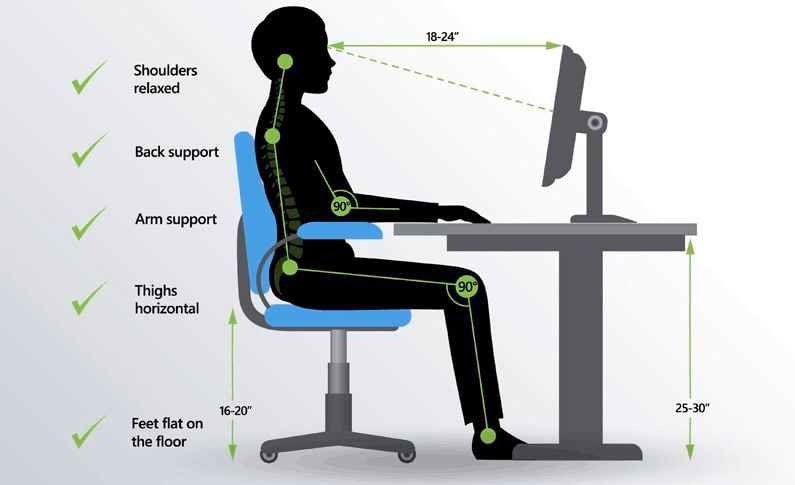
What Can Desk Workers Do to Reduce Neck Pain?
Desk workers can reduce neck pain by improving posture, adjusting workstation setup and breaking up long periods of sitting. Keeping screens at eye level, supporting the lower back and allowing the shoulders to relax can help reduce forward head posture.
Regular movement is just as important. Standing up, stretching and changing position throughout the day reduces the strain caused by static posture. Strengthening and mobility exercises that target the neck, shoulders and upper back can also support better long-term comfort.
However, when pain does not improve with these changes, further assessment may be needed.
Who Is Best Placed to Assess Persistent Neck Pain?
Persistent neck pain is best assessed by specialists with experience in head, neck and spinal anatomy. This ensures that muscular, joint and nerve-related causes are properly evaluated rather than assumed.
At Axel Head & Neck, clinicians regularly assess conditions affecting the neck and surrounding structures. Their expertise in head and neck anatomy allows them to identify when neck pain is related to posture and muscle strain, and when it may be linked to more complex underlying issues.
This specialist perspective is particularly valuable for professionals whose symptoms do not improve with basic ergonomic changes.
Why Does This Matter in Modern Working Life?
Desk-based work is now a long-term reality for many people, not a temporary phase. As a result, the physical effects of prolonged sitting and screen use are becoming more visible.
Understanding the link between desk work and neck pain helps individuals take early action and seek appropriate advice when needed. It also highlights the importance of specialist input when symptoms persist rather than relying on guesswork or self-management alone.
Conclusion
Working at a desk is closely linked to neck pain due to posture, prolonged sitting and limited movement. With a large proportion of desk workers experiencing symptoms each year, neck pain has become a common feature of modern professional life.
Simple changes can help reduce discomfort, but persistent or worsening pain should be properly assessed. Specialist understanding of head and neck anatomy plays an important role in identifying causes and guiding effective management.
As work continues to evolve, recognising and addressing desk-related neck pain is essential for long-term health and wellbeing.